Another Life Ripped Away
BRITISH MAN DIES IN SEA TRAGEDY

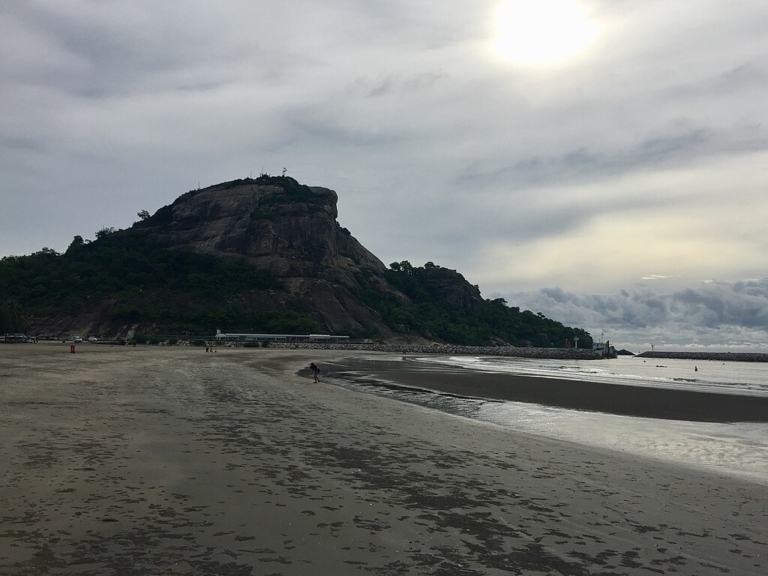
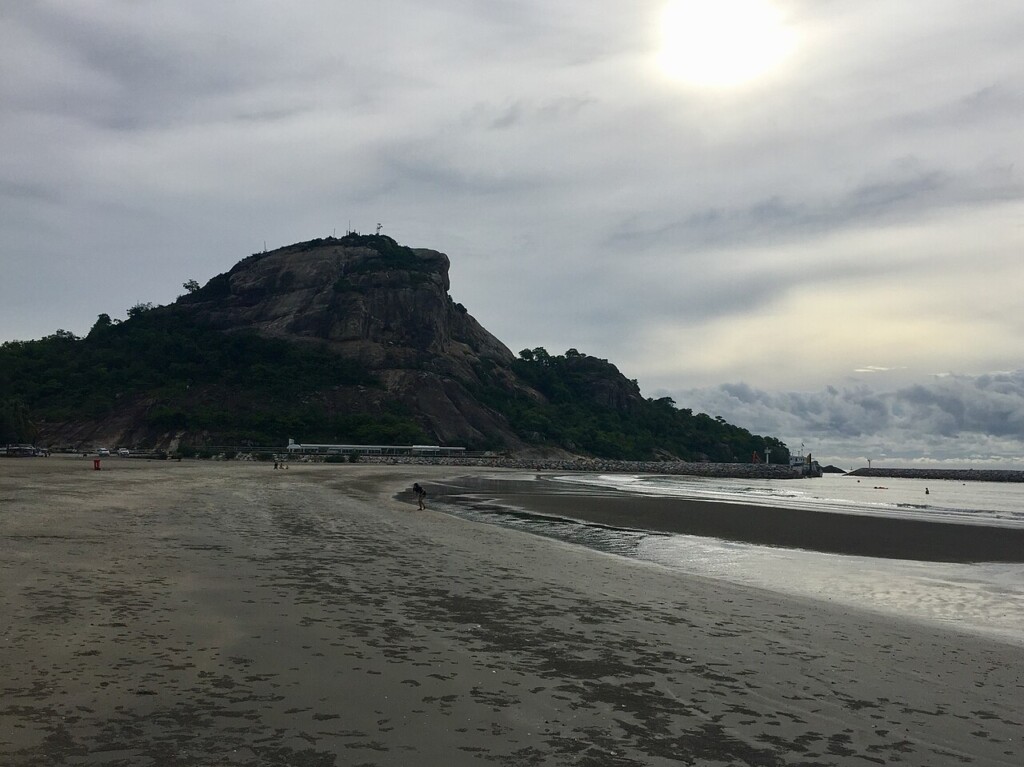
A foreign man who drowned after being swept out to sea in the Hua Hin area last week has been identified as a British pensioner, aged 75, from Liverpool, according to UK media reports. A Hua Hin police spokesman said that fisherman had found the man’s body near a pier around 4:30pm on Wednesday 15th April. Apparently he had been swimming in the same location every morning since arriving in Hua Hin, and that the conditions normally appeared calm. However on that day conditions were rougher, and it is believed he entered the sea near the mouth of the bay, possibly from Hua Don Beach (featured image above), which was previously used as the channel for the ferry crossing to Chonburi. This area is deeper than the surrounding waters due to dredging to accommodate larger boats.
What is a rip current?
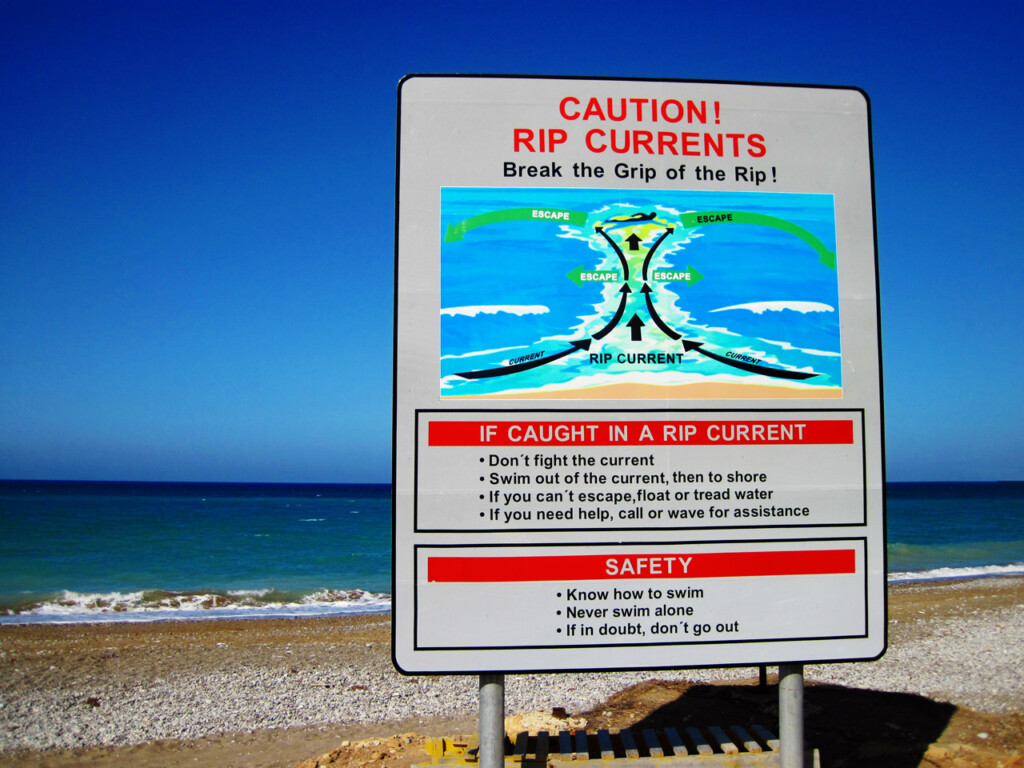
Rip currents are strong offshore flows and often occur when breaking waves push water up the beach face. This piled-up water must escape back out to the sea as water seeks its own level. Typically, the return flow (backwash) is relatively uniform along the beach, so rip currents aren’t present. A rip current can form if there’s an area where the water can flow back out to the ocean easily – for instance, a break in the sandbar. Rip currents are often detected in about knee-to-waist high water. They can be difficult to escape by walking back toward shore against the current once you are in chest-deep water. These are very common on the entire coastline along the Gulf of Thailand.
What Is a rip tide?
A rip tide – or riptide – is a powerful current caused by the tide pulling water through an inlet along a barrier beach. When there is a falling or ebbing tide, the water flows strongly through an inlet toward the ocean, especially one stabilized by jetties. During slack tide, the water is not moving for a short time until the flooding – or rising tide – starts pushing the seawater landward through the inlet. Fishermen are well aware of these tidal flows and make their plans accordingly. Rip tides also occur in constricted areas in bays and lagoons where there are no waves. These powerful reversing currents are also named tidal jets by coastal engineers, and they carry large quantities of sand that form banks in the ocean opposite the inlet channel.
Essential Survival Steps for Rip Currents and Tides
- Stay Calm: Panicking exhausts you and leads to rapid breathing.
- Swim Parallel: Swim parallel to the beach (sideways) until you are outside the narrow, fast-moving current.
- Don’t Fight the Current: Trying to swim directly back to shore is exhausting and often futile.
- Float and Signal: If you cannot escape, “flip and float”—float on your back, conserve energy, and raise one hand to wave for help.
- Let It Carry You: Rip currents usually slow down just beyond the breaking waves. Once you feel the current stop, swim back to shore at an angle.